January 25, 2019 •
Lobbyist Loophole Closure Act Introduced in US House
On January 24, Rep. Max Rose introduced a bill to amend the Lobbying Disclosure Act of 1995 to expand the scope of individuals and activities subject to the Act. House Bill 783, the Lobbyist Loophole Closure Act, requires individuals who […]
 On January 24, Rep. Max Rose introduced a bill to amend the Lobbying Disclosure Act of 1995 to expand the scope of individuals and activities subject to the Act.
House Bill 783, the Lobbyist Loophole Closure Act, requires individuals who provide paid strategic advice in support of lobbying contacts with covered government officials to register as lobbyists, even if the individuals themselves do not make direct contact with the official.
“If someone acts like a lobbyist, and is paid like a lobbyist, then they ought to register as a lobbyist,” Rose said in his press release.
January 25, 2019 •
Florida Governor Announces Special Election
Gov. Ron DeSantis announced the dates to hold a special election to fill the vacancy in House District 7. The special primary election will take place on April 9, while the special general election will be on June 18. The […]
 Gov. Ron DeSantis announced the dates to hold a special election to fill the vacancy in House District 7.
The special primary election will take place on April 9, while the special general election will be on June 18.
The seat was vacated when Halsey Beshears resigned in order to serve as the head of the Department of Business and Professional Regulation.
January 25, 2019 •
NYCU Video Digest – January 25, 2019
We know there is a lot of news happening today, but here are four lobbying, campaign finance and pay-to-play stories from this week you don’t want to miss!
We know there is a lot of news happening today, but here are four lobbying, campaign finance and pay-to-play stories from this week you don’t want to miss!
January 25, 2019 •
News You Can Use Digest – January 25, 2019
National: Lawmakers Eye Changes to Ballot Measures – Passed and Future Governing – Alan Greenblatt | Published: 1/16/2019 Ballot measures have become a popular way to enact new policies, from minimum wage hikes and legalized marijuana to ethics reforms. But voter-approved measures are […]

Lawmakers Eye Changes to Ballot Measures – Passed and Future
Governing – Alan Greenblatt | Published: 1/16/2019
Ballot measures have become a popular way to enact new policies, from minimum wage hikes and legalized marijuana to ethics reforms. But voter-approved measures are meeting more pushback. Republican lawmakers in several states are fighting ballot measures on two fronts: as was the case following the 2016 election, they are trying to overturn provisions of some laws that voters just passed in November. They are also seeking legislative changes that would make it harder to pass in the future.
Federal:
BuzzFeed’s Stumble Is Highest-Profile Misstep at a Time When Press Is Under Greatest Scrutiny
Danbury News-Times – Paul Farhi (Washington Post) | Published: 1/19/2019
Reporters at the Guardian, CNN, McClatchy News, and other outlets have published disputed, suspect, or uncorroborated stories about President Trump and the investigation swirling around him since special counsel Robert Mueller began his probe. Each instance has elicited cries of “fake news” from the president and his supporters, stoking the claim that the mainstream media is biased and irresponsible. But these disputed stories have tended to be about distinct events or actions; they were effectively clues rather than conclusions about Trump’s potential criminality. BuzzFeed News’ apparently mistaken story about Michael Cohen and Trump was of a different nature and magnitude.
GOP Reaches Landmark Agreement to Juice Small-Dollar Fundraising
Politico – Alex Isenstadt | Published: 1/21/2019
President Trump’s political team and top Republican officials have reached an agreement to reshape the party’s fundraising apparatus and close the financial gap that devastated them in the midterms. With the deal, Republicans hope to create a rival to ActBlue, the Democratic online fundraising behemoth that plowed over $700 million in small-dollar donations into Democratic coffers in the 2018 campaign. Republicans agreed to create a new platform dubbed Patriot Pass, which will be used to cultivate and process online donations.
Law Firm Tied to Manafort Reaches $4.6 Million Settlement
apnews.com – Chad Day and Eric Tucker | Published: 1/17/2019
A prominent law firm that helped former Trump campaign chairperson Paul Manafort lobby on behalf of pro-Russian politicians in Ukraine agreed to pay more than $4.6 million and publicly acknowledge it failed to report its work for a foreign government. Skadden, Arps, Slate, Meagher & Flom admitted that in 2012 it acted as an agent of Ukraine by participating in a public relations campaign for a report it authored for that country’s government. The firm will register retroactively as a foreign agent. The Justice Department, which is charged with enforcing the Foreign Agents Registration Act, had largely turned a blind eye until Robert Mueller began charging Trump’s associates, including Manafort, who had built a lucrative business advising Russia-aligned politicians and wealthy business executives in Ukraine.
From the States and Municipalities:
California: Former California Lawmaker Registers as a Lobbyist After #MeToo Investigation
Sacramento Bee – Sophia Bollag | Published: 1/22/2019
A month after the California Assembly said he had likely violated its sexual misconduct policy, former Assemblyperson Sebastian Ridley-Thomas moved to return to the Capitol by registering as a lobbyist. The state’s online lobbying database shows he registered as a lobbyist with his firm Millennial Advisors, drawing criticism from anti-sexual harassment activists at the Capitol. Ridley-Thomas quit the Legislature in December 2017, citing health problems. Records released by the Assembly show at least two people accused him of harassment before he resigned. “We have made progress on #metoo issues in #caleg but a solution that does not include lobbyists is incomplete,” tweeted Adama Iwu, one of the lobbyists who started the We Said Enough movement.
California: With FBI Probe Looming, L.A. City Council Members Revive Plan to Limit Developer Donations
Los Angeles Times – Emily Alpert Reyes and David Zahniser | Published: 1/15/2019
Two years ago, Los Angeles City Council members called for a ban on political donations from real estate developers seeking city approval for their projects. That plan languished at City Hall and was tabled by the Ethics Commission before it officially expired. Now, with FBI agents conducting a corruption investigation into City Hall, council members have revived the idea. Under the proposal, real estate developers would be barred from giving to city candidates and officeholders once they have turned in an application that requires city approval or other action, provided the request involves building or adding more than 4,000 square feet of floor area for residential projects or 15,000 square feet for commercial projects.
Connecticut: $97 Million of Influence: Lobbyists are fixtures at the Capitol, pushing their message amid rules on gifts, perks, receptions
Hartford Courant – Josh Kovner | Published: 1/23/2019
Every January at the Connecticut Capitol, the lobbying effort revs up to a fever pitch and does not stop until the final roll call. This session, the race to gain an edge promises to be even more frenetic, propelled by highly charged issues like gun control and taxes. With a new governor and 40 new lawmakers, lobbyists will be scrambling just to make connections. While there are substantial restrictions on gifts from lobbyists to lawmakers, there is a sizable exception. A lobbyist can, from his or her personal account, give a legislator up to $1,000 for each of several “life events” per year, such as a wedding or birth. Each session, staffers in the Office of State Ethics school freshman legislators on the restrictions and reporting requirements.
District of Columbia: D.C. ‘Pay-to-Play’ Ban Closer to Becoming Law after Mayor Declines Veto
Washington Post – Peter Jamison | Published: 1/18/2019
Sweeping changes to campaign finance regulations in the District of Columbia are on track to become law after Mayor Muriel Bowser opted not to veto legislation passed by the city council. Among other provisions, the measure would ban campaign contributions from companies and their top executives if they hold or are seeking government contracts worth at least $250,000; give new authority and independence to the city’s Office of Campaign Finance; and require increased disclosure from independent expenditure committees.
Illinois: Contractor Challenges Illinois Campaign Finance Law
Courthouse News – Lorraine Bailey | Published: 1/18/2019
An Illinois law prohibiting government contractors from making campaign contributions is being challenged as unconstitutional after a public housing management firm lost a contract because its founder donated to Democratic gubernatorial candidates. The Habitat Company is a Chicago-based real estate firm that has managed a building called Lake Shore Plaza. Ellen Daley, Illinois’ chief procurement officer for general services, notified the company that its founder’s campaign contributions violated state law and required voiding a 2019 management contract for Lake Shore Plaza. Habitat sued to challenge Daley’s decision and the law banning government contractors or affiliated persons from making any contribution to a political committee of the officeholder responsible for awarding their contracts.
Michigan: Outgoing State Officials Turn to Lobbying Under Lax Michigan Rules
Detroit News – Jonathan Oosting | Published: 1/23/2019
At least seven former state officials and lawmakers in Michigan have registered as lobbyists or joined lobbying firms since leaving office at the end of 2018. The recent moves highlight that Michigan is among a minority of states that do not ban recent legislators, department heads, or executive branch officials from immediately taking paid jobs to lobby former colleagues. Restrictions in other states and Congress are designed to reduce ethical conflicts. Those include the potential for interest groups to promise future jobs to officials in exchange for preferential treatment while they are still in office. Michigan prohibits lawmakers from resigning to take lobbyist jobs during the term they had been elected to, but its lack of broader restrictions.
New York: Gov. Cuomo Signs Major Voting Reforms
Legislative Gazette – James Gormley | Published: 1/24/2019
New York Gov. Andrew Cuomo signed legislation that implements major changes to the state’s election and campaign finance laws. The new laws enact early voting in New York, synchronize state and federal elections, and allow 16- and 17-year-olds to pre-register to vote. One bill will close the so-called LLC loophole by limiting political spending by a limited liability company to a total of $5,000 annually, which is the same limit as corporations. It will also require the disclosure of direct and indirect membership interests in the LLC making a contribution, and for the donation to be attributed to that individual.
South Carolina: After Ethics Snafu, SC Lawmakers Move to Change How They Accept Gifts from Public
The State – Avery Wilks | Published: 1/23/2019
The South Carolina House moved to change its rules on accepting gifts from special interests and the public, two weeks after a donation of nearly 200 books to state lawmakers caused confusion about whether the gifts needed to be recorded on ethics filings. The new rule would prohibit anyone from dropping off gifts of any value in the House chamber. It also would require someone to get a lawmaker’s written signature before leaving any gift worth more than $25. The giver must also document with the state Ethics Commission any gift worth more than $25.
South Dakota: Lobbyist Files Suit Against South Dakota House Speaker
Sioux Falls Argus Leader – Jonathan Ellis | Published: 1/22/2019
Lobbyist Yvonne Taylor, executive director of the South Dakota Municipal League, filed suit against House Speaker Steve Haugaard after she says she was banned from the House floor for writing a critical column. According to her lawsuit, Haugaard took issue with a May column she wrote for the Municipal League’s membership magazine. Haugaard complained the column, which was published before the June primary election, made the Legislature look like “a bunch of buffoons.” Taylor complained that the number of “wackies” in the Legislature were increasing. The “wackies” oppose government and any taxation, even when groups that would pay added taxes or fees wanted them, Taylor said in the column.
Wisconsin: Judge: GOP can’t block liberal group’s Twitter comments
Charlotte Observer – Todd Richmond (Associated Press) | Published: 1/18/2019
Top Republicans in the Wisconsin Legislature violated the First Amendment when they blocked a liberal advocacy group from seeing their Twitter feeds, a federal judge ruled. U.S. District Court Judge William Conley’s decision marks One Wisconsin Now’s second legal victory in as many days over Assembly Speaker Robin Vos. Another federal judge struck down early-voting restrictions Vos and his fellow Republicans passed in a contentious lame-duck session in December. One Wisconsin Now and other groups had challenged those provisions days after former Gov. Scott Walker signed them into law.
January 24, 2019 •
Special Election Set for Pennsylvania Congressional Seat
Gov. Tom Wolf announced he has scheduled a special election to fill Pennsylvania’s U.S. House District 12 seat for May 21. Last week, Rep. Tom Marino announced he would be resigning to take a job in the private sector. The […]
 Gov. Tom Wolf announced he has scheduled a special election to fill Pennsylvania’s U.S. House District 12 seat for May 21.
Last week, Rep. Tom Marino announced he would be resigning to take a job in the private sector.
The special election coincides with the state’s primary election date.
January 22, 2019 •
Arizona Bill Regarding Lobbyist Gifts and Reporting Introduced
Rep. John Kavanagh introduced House Bill 2038 to the Arizona Legislature. The bill defines “hosted event” to include an event or function where one or more state officers or employees are invited and attend organized and paid for by a […]
 Rep. John Kavanagh introduced House Bill 2038 to the Arizona Legislature.
The bill defines “hosted event” to include an event or function where one or more state officers or employees are invited and attend organized and paid for by a principal.
Event or function includes a party, dinner, or luncheon, but does not include an athletic event or other entertainment.
A hosted event must be reported by the actual cost incurred for food, beverage, and other tangible benefits but do not include the overall sponsorship amount incurred by the principal or lobbyist.
Opponents to the bill say only reporting the food and beverage amount and not including the price of the ticket to the event is misleading.
January 22, 2019 •
Lobbying Bills Introduced in New Mexico Legislature
Three lobbying bills have been introduced in New Mexico. House Bill 131 would require a post-session lobbying report due after the Legislature adjourns. House Bill 140 would require periodic reports with estimated upcoming lobbying expenses for the year as well […]
 Three lobbying bills have been introduced in New Mexico.
House Bill 131 would require a post-session lobbying report due after the Legislature adjourns.
House Bill 140 would require periodic reports with estimated upcoming lobbying expenses for the year as well as actual previous expenses incurred.
Senate Bill 191 amends the current expenditure reporting threshold to include individual expenditures of less than $100 by lobbyists or the employer.
The Los Angeles Ethics Commission announced it will be taking another look at a proposal to ban certain developer contributions to elected officials and candidates after Los Angeles City Council members revived the idea. Six council-members reintroduced the new motion […]
 The Los Angeles Ethics Commission announced it will be taking another look at a proposal to ban certain developer contributions to elected officials and candidates after Los Angeles City Council members revived the idea.
Six council-members reintroduced the new motion last week, with Council President Herb Wesson seconding it.
The motion prohibits developers from making political contributions to city elected officials or candidates from the date of application for the property is filed until 12 months following the final resolution of the application.
The Ethics Commission also announced it could include restrictions on nonindividual entity contributors and payments made by third parties at the behest of elected officials.
January 21, 2019 •
Gov. Cuomo Outlines Ethics Reform in Executive Budget
Gov. Andrew Cuomo has proposed several campaign finance and ethics changes in his executive budget. These recommendations include creating a code of conduct for lobbyists and campaign finance reform. The lobbyist’s code of conduct would include lowering the registration threshold, […]
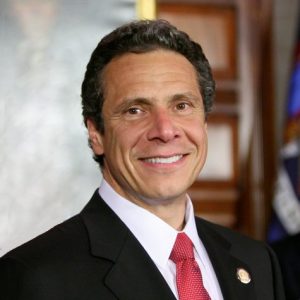 Gov. Andrew Cuomo has proposed several campaign finance and ethics changes in his executive budget.
These recommendations include creating a code of conduct for lobbyists and campaign finance reform.
The lobbyist’s code of conduct would include lowering the registration threshold, require reporting of campaign contributions, increase the revolving door provision from two to five years, along with additional disclosures and penalties.
Cuomo also called for banning corporate contributions, as well as lowering individual contributions to statewide and General Assembly candidates.
He also urged the Legislature to pass a revision that closes the Limited Liability Company loophole and prevents LLCs from contributing more than $5,000 annually.
January 21, 2019 •
PA State Senator Announces Retirement
Sen. Richard Alloway announced his retirement from Senate District 33 effective February 28. Sen. Alloway served the state Senate for over 10 years. Lt. Gov. John Fetterman will set a special election at a date to be determined. The winner […]
 Sen. Richard Alloway announced his retirement from Senate District 33 effective February 28.
Sen. Alloway served the state Senate for over 10 years.
Lt. Gov. John Fetterman will set a special election at a date to be determined.
The winner of the special election will serve the remainder of Alloway’s term until 2020.
January 18, 2019 •
NYCU Video Digest – January 18, 2019
Got a minute?! We’re back with News You Can Use Video Digest and here are 4 stories from the past week you don’t want to miss!
Got a minute?! We’re back with News You Can Use Video Digest and here are 4 stories from the past week you don’t want to miss!
January 18, 2019 •
Pennsylvania Congressman Resigns
Rep. Tom Marino announced his resignation from the U.S. House of Representatives on January 17. Marino said he has accepted a job in the private sector, and his last day in Congress will be January 23. Gov. Tom Wolf will […]
 Rep. Tom Marino announced his resignation from the U.S. House of Representatives on January 17.
Marino said he has accepted a job in the private sector, and his last day in Congress will be January 23.
Gov. Tom Wolf will have 10 days to set a date for a special election to fill the vacancy in the 12th Congressional District.
January 18, 2019 •
Second Special Election in California Announced
Gov. Gavin Newsom announced a special election to fill the vacancy in the 1st Senate District. The seat was vacated by Ted Gaines, who was sworn in as a member of the California State Board of Equalization. The special primary […]
 Gov. Gavin Newsom announced a special election to fill the vacancy in the 1st Senate District.
The seat was vacated by Ted Gaines, who was sworn in as a member of the California State Board of Equalization.
The special primary election will be held on March 26, and, if necessary, a special runoff election will be on June 4.
January 18, 2019 •
News You Can Use Digest – January 18th, 2019
Federal: At Trump’s Inauguration, $10,000 for Makeup and Lots of Room Service MSN – Maggie Haberman, Sharon LaFraniere, and Benn Protess (New York Times) | Published: 1/14/2019 President Trump’s inaugural committee spent roughly $100 million for an abundance of expenses, including more than […]
Federal:
At Trump’s Inauguration, $10,000 for Makeup and Lots of Room Service
MSN – Maggie Haberman, Sharon LaFraniere, and Benn Protess (New York Times) | Published: 1/14/2019
President Trump’s inaugural committee spent roughly $100 million for an abundance of expenses, including more than $1.5 million at the Trump International Hotel in Washington, D.C. The expansive spending reflected Trump’s desire to make a grand entrance, with roughly 20 events around Washington. Disclosure of the spending details comes at a time when the inaugural committee is facing legal scrutiny over the donations that funded it. There is no indication of any investigation into the inaugural committee’s spending. For the most part, inaugural committees are free to spend the money they raise from private donations as they wish. But millions of dollars for Trump’s inauguration were written off in lost revenue.
New Members, Meet the ‘Slush Fund’
Roll Call – Stephanie Aikin | Published: 1/14/2019
More than two dozen new members of the U.S. House and Senate, many of whom campaigned against corruption and corporate money in politics, have established so-called leadership PACs. They are fundraising committees that allow lawmakers to collect money for their colleagues and candidates. The vast majority of members have one, and many say they can be helpful tools to support other politicians and the issues they care about. But the PACs are not subject to the same restrictions on personal spending as individual campaign committees, leading to numerous examples of alleged misuse. Critics say they also allow politicians to evade campaign contribution limits and obscure donations from corporations and other powerful groups.
T-Mobile Execs Seeking Trump Approval for Deal Stayed Repeatedly at His D.C. Hotel
Chicago Tribune – Jonathan O’Connell and David Fahrenthold (Washington Post) | Published: 1/16/2019
Top executives from T-Mobile booked reservations at Trump International Hotel in Washington, D.C. one day after it was announced that T-Mobile’s merger with Sprint would require the administration’s approval. T-Mobile executives stayed at the hotel for at least 38 nights during 2018. The Washington Post obtained about a dozen 2018 VIP Arrivals lists which are provided to hotel staff when foreign officials, executives, and Trump family friends are customers at the hotel. Countries, interest groups, and companies like T-Mobile – whose future will be shaped by the administration’s choices – are free to stop at both and pay the president’s company while also meeting with officials in his government. Such visits raise questions about whether patronizing Trump’s private business is viewed as a way to influence public policy.
From the States and Municipalities:
California: Downtown L.A. Development Is a Focus of FBI Corruption Probe
Los Angeles Times – Emily Alpert Reyes and David Zahniser | Published: 1/14/2019
The rapid transformation of downtown Los Angeles’ skyline is being fueled in good measure by huge investments from Chinese companies eager to burnish their global brands and capitalize on the city’s real estate boom. Now, some of those projects have become a focus of federal agents seeking evidence of possible bribery, extortion, money laundering, and other crimes as part of a corruption investigation at City Hall. Federal investigators have cast a wide net for information about foreign investment in Los Angeles real estate development, according to a search warrant that names an array of political and business figures. The investigation became public in November, when FBI agents raided the home and offices and offices of city Councilperson Jose Huizar.
Colorado: Judge: State ethics panel has no jurisdiction over many Colorado cities
Colorado Politics – Marianne Goodland | Published: 1/10/2019
A judge said the Colorado Independent Ethics Commission (IEC) no longer has jurisdiction over the ethics rules of home-rule cities such as Denver and Colorado Springs. Part of Amendment 41, the voter-approved ethics law, deals with ethics codes set up by home-rule cities and counties. It says Amendment 41 does not apply to “home rule cities or counties that have adopted charters, ordinance or resolutions that address the matters covered” under the amendment. Shortly after the passage of Amendment 41, the city of Glendale adopted its own code of ethics. But the IEC, in deciding it had jurisdiction over Glendale, decided the city’s code did not contain every provision laid out in Amendment 41.
Kentucky: How Much Is Spent Lobbying Kentucky’s Executive Branch? This Bill Demands an Answer.
Lexington Herald-Leader – Jack Brammer | Published: 1/15/2019
Kentucky Senate President Robert Stivers introduced legislation to give the public more information about those lobbying the state’s executive branch. Businesses often spend more than $20 million-a-year lobbying Kentucky lawmakers, but no similar number is counted for executive branch lobbyists, who are far more numerous. Under Senate Bill 6, executive branch lobbyists would have to file with the Executive Branch Ethics Commission their payment and could not work for any type of contingency fee.
Montana: U.S. Supreme Court Declines to Take Up Montana Campaign Finance Case
Montana Standard; Associated Press – | Published: 1/14/2019
The U.S. Supreme Court declined to hear a case challenging Montana’s campaign contribution limits, likely ending a legal challenge that has lasted more than seven years. Opponents of the caps, which are among the lowest in the country, said they are unconstitutional under the First Amendment and prevent candidates from waging effective campaigns. In declining to take up the case, the high court upheld the Ninth U.S. Circuit Court of Appeals’ ruling that the limits are a reasonable way to prevent corruption and still allow candidates to raise enough money. Since the lawsuit was filed, a federal judge has ruled twice that those limits are unconstitutional, only to be reversed upon appeal.
New York: Legislature Passes Sweeping Electoral Reforms
Albany Times Union – Rachel Silberstein | Published: 1/14/2019
New York lawmakers passed several bills that would allow early voting, preregistration of minors, voting by mail, and limits on the influence of money in elections. The reforms make state primary elections the same day as federal primary elections. One bill amends the law to hold limited liability companies (LLCs) to the same aggregate contribution limit of $5,000 that applies to corporations. The legislation includes a constitutional amendment that requires the disclosure of the identity and proportion of ownership of all direct and indirect owners of the membership interests in the LLC and may go into effect as soon as 2021.
Ohio: Columbus Council Appoints Shayla Favor, Approves Campaign Finance Reforms
WOSU – Gabe Rosenberg | Published: 1/15/2019
The Columbus City Council approved the city’s first ever campaign finance reforms. The measures set requirements for disclosing the sources of campaign advertisements and include a tax credit for small donations. But the most-discussed part of the reforms are the campaign contribution limits: $12,707.79 per year. The limit is higher than any other city in Ohio. Because the provision applies annually rather than by campaign period, city officials could raise more money than state officeholders serving for the same amount of time. It applies to all municipal candidates including mayor, council member, auditor, and city attorney. The contribution limits will take effect in time for this year’s elections.
Oklahoma: Stitt Inauguration Donors May Not Be Revealed Until Summer
Oklahoma Watch – Trevor Brown | Published: 1/10/2019
Hundreds of donors and supporters will welcome Kevin Stitt as Oklahoma’s new governor during four days of events. The pre-inaugural events are a lavish and at times controversial tradition shared by newly elected presidents and governors across the country. The events will be entirely funded by private money from Stitt’s backers or those looking to gain good will with the administration. If past inaugurations are a guide, Stitt will likely raise more than $1 million from wealthy individuals, companies, and special-interest groups that are allowed to contribute without limits. But those donors can be kept secret for up to six months, until well after this year’s legislative session is over.
South Carolina: SC Ethics Advocate Creates Ethics Dilemma by Gifting Corruption Book to Lawmakers
The State – Avery Wilkes | Published: 1/10/2019
Lobbyist John Crangle, a longtime ethics reform advocate, gave the South Carolina House and Senate more than 180 copies of his book on a corruption scandal to remind legislators of “Operation Lost Trust,” the 1990 investigation that found widespread vote-selling in the General Assembly and led to criminal charges against 18 lawmakers. The books were delivered to individual lawmakers as they returned to Columbia to begin the legislative session. House Ethics Committee Chairperson Murrell Smith said staffers contacted Crangle and the publisher to verify the book was worth less than the $25 and, thus, would not need to be reported as a gift. State Rep. Kirkman Finlay said Crangle’s gift highlights the awkward spot that legislators regularly find themselves in when a gift reaches their door.
Texas: Texas Republicans Rally Behind Muslim Official as Some Try to Oust Him Over Religion
MSN – Adeel Hassan (New York Times) | Published: 1/10/2019
Shahid Shafi will retain his role as vice-chairperson of the Tarrant County Republican Party despite a push to remove him from his post because he is Muslim. Those who were in favor of Shafi’s removal said he is unequipped to be vice-chair because he does not represent all Tarrant County Republicans due to his religion. They have also said Islamic ideologies run counter to the U.S. Constitution, an assertion many Texas GOP officials have called bigoted.
Vermont: A White Nationalist’s Harassment Helped Force a Black Female Lawmaker to Resign. He Won’t Face Charges.
MSN – Meagan Flynn (Washington Post) | Published: 1/15/2019
Vermont Attorney General T.J. Donovan said he will not file charges in the reported racial harassment of former state Rep. Kiah Morris, though he believes Morris and her family were victims. Donovan said he would not pursue a criminal case because the First Amendment protects free speech. Morris was the only black female lawmaker in the Legislature and she won the Democratic nomination this summer but withdrew, citing racially motivated threats and online harassment. The messages Max Misch, a self-described white nationalist, sent to Morris over a two-year period disrupted her life to the point that she sought, and was granted, a protective order against him. To Misch, the incidents were little more than a joke. “I like trolling people – it’s fun,” Misch said.
Washington: Split Court: Local initiatives subject to disclosure rule
KOMO – Gene Johnson (Associated Press) | Published: 1/10/2019
The Washington Supreme Court ruled the state attorney general’s office can pursue a campaign finance disclosure case against the conservative Evergreen Freedom Foundation. The majority rejected the group’s assertion that the disclosure requirements did not apply to local initiatives before they are placed on the ballot. State law explicitly says that after a measure has been submitted to an elections official, donations to that campaign must be reported. That applies to statewide initiative measures, which must be reviewed by the secretary of state’s office before proponents can gather signatures. But for some local initiatives, supporters do not turn them in until after they have collected signatures.
State and Federal Communications, Inc. provides research and consulting services for government relations professionals on lobbying laws, procurement lobbying laws, political contribution laws in the United States and Canada. Learn more by visiting stateandfed.com.